FAMU NextGen
Strategic Priorities
- Connect:
Develop and strengthen partnerships among universities, government agencies and industry to expand educational and career opportunities for students. - Prepare:
Equip students with career-planning resources, professional guidance and practical support to pursue jobs with USDA, other federal agencies and the broader agricultural sector. - Support:
Promote student recruitment, retention and degree completion through scholarships, mentorship and leadership development. - Experience:
Provide paid and unpaid hands-on learning experiences that complement students’ academic training, build their technical and professional skills, and expose them to a wide range of careers in agriculture.
NextGen at a Glance
Explore the scholarships, graduate assistantships, internships and experiential learning opportunities available to students through FAMU’s NextGen program.
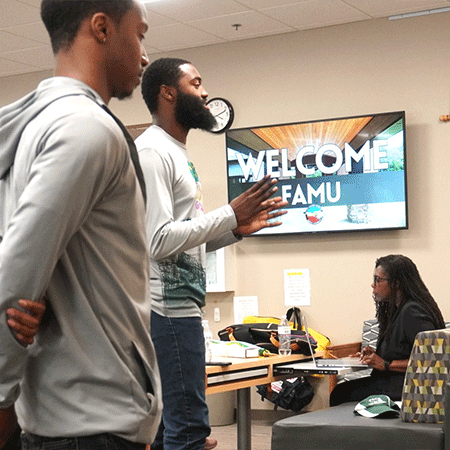
Through NextGen, the Office of Global Agriculture Programs awards scholarships to undergraduate and graduate students in CAFS. These scholarships reduce financial barriers, support academic progress and help students complete their degrees.
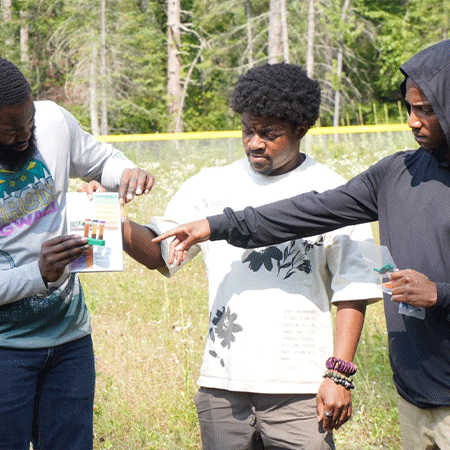
NextGen graduate assistantships support master’s and doctoral students in CAFS while giving them experience in research, teaching and program management. Graduate assistants work with faculty and the Office of Global Agriculture Programs on initiatives related to global food systems, agricultural trade and international development.
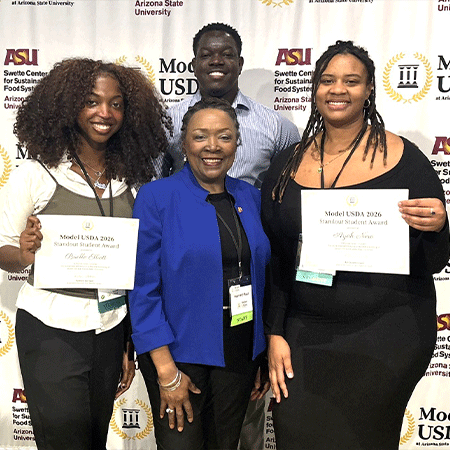
The Model USDA Simulation gives students the chance to explore agricultural policy and federal decision-making through an interactive, role-based experience. Hosted by Arizona State University, this national simulation brings together students who take on the roles of USDA officials and food-system stakeholders. Working through negotiation, collaboration and strategic problem-solving, they tackle real agricultural policy challenges. In 2026, FAMU students earned first and second place at the national Model USDA Simulation.
The New-Gen Global Food Systems Network (NGFSN), or the Network, is a collaborative platform that empowers students who are committed to addressing global food security challenges. The Network fosters knowledge exchange, innovative thinking, research collaboration and professional networking across the food, agriculture, natural resources and human sciences (FANHS) disciplines. Members, including faculty mentors, students, community partners and alumni, plan and take part in quarterly discussions, share insights on current issues in FANHS, share research experiences, and explore new career opportunities. Through the Network, members, especially students, gain exposure to cutting-edge research, industry expertise and valuable professional connections that strengthen their capacity as future leaders in global food systems.
Internships
NextGen internships are mentored, hands-on experiences that connect academic learning with real-world practice. Through research, community engagement and professional development, students strengthen their technical and professional skills while explori
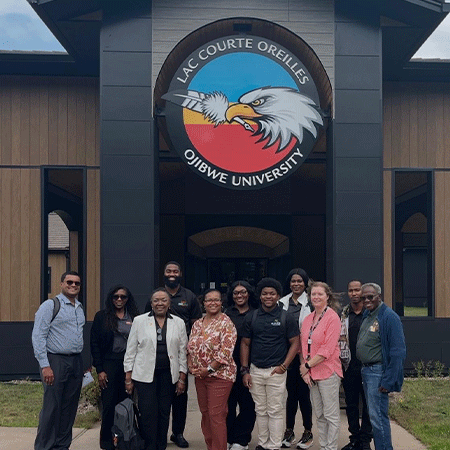
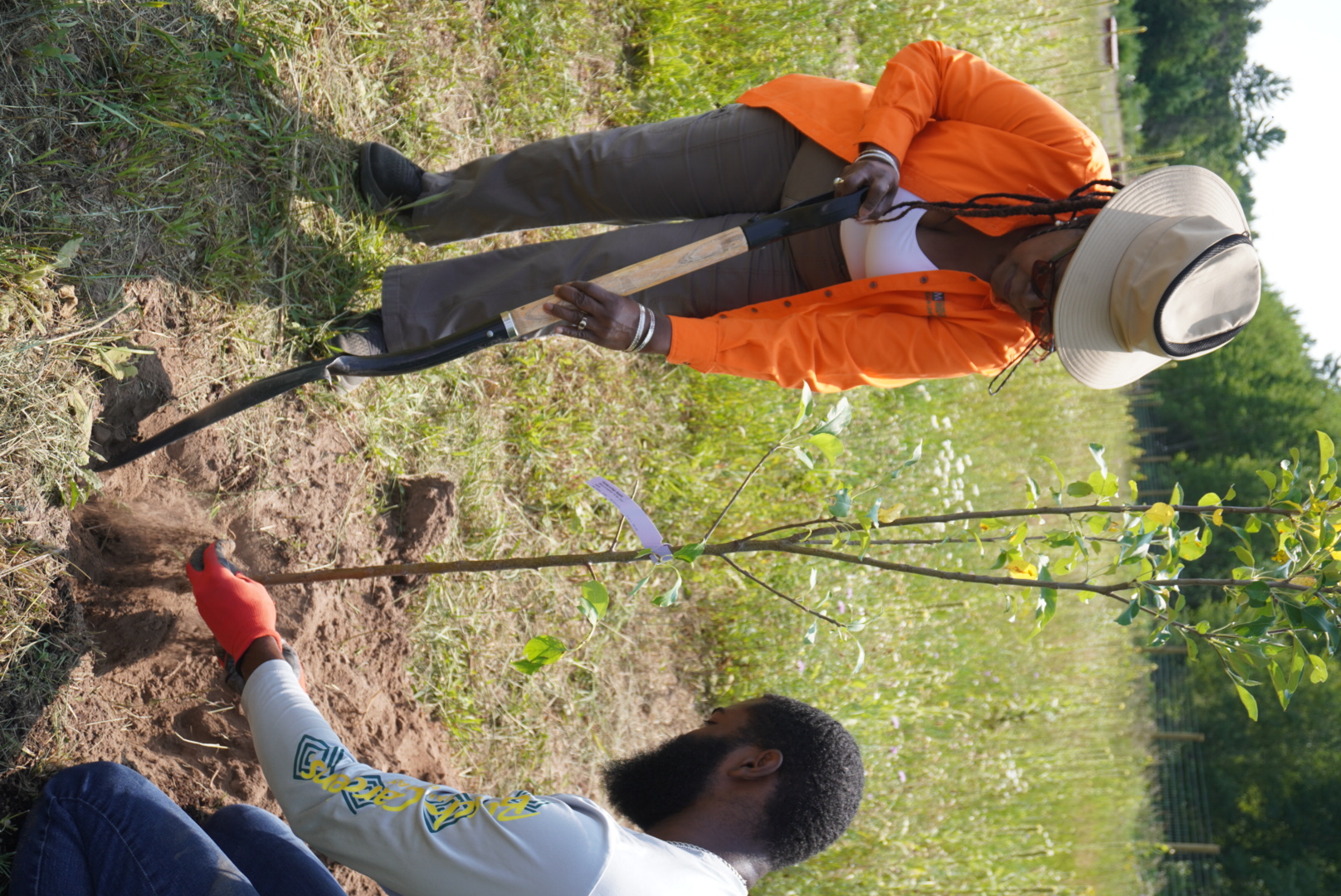
This summer internship brings together Florida A&M University, an 1890 land-grant institution, and Lac Courte Oreilles Ojibwe University (LCOOU), a 1994 land-grant Tribal College in Hayward, Wisconsin. Developed with LCOOU and community partners during the 2026 Launch Lab, the internship offers five project areas: farm development, youth leadership and 4-H, Elder gardens, community gardening and food forests, and community mapping. The program emphasizes community engagement, land stewardship, Indigenous knowledge and respect for Tribal sovereignty.
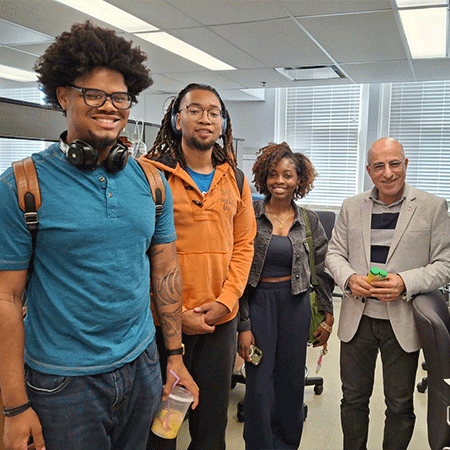
The CAFS Undergraduate Research & Engagement Internship Program gives undergraduate students the opportunity to take part in faculty-led projects in research, entrepreneurship, community engagement, international agriculture and project management. Guided by CAFS faculty mentors, students work on projects across disciplines such as agricultural and food sciences, soil and water resources, agribusiness, agricultural policy, global food security and youth leadership. Applicants choose from approved faculty projects that match their academic interests and career goals.
Experiential Learning
NextGen experiential learning initiatives give students the opportunity to explore agricultural systems, food security challenges and sustainable development practices in international settings. These experiences combine academic learning with field-base
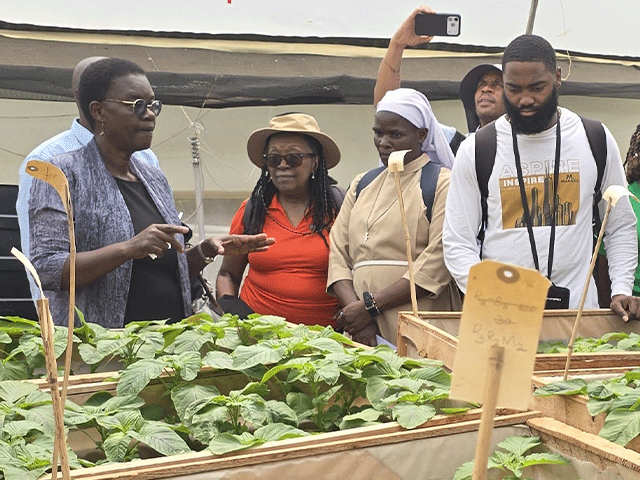
This spring semester course combines classroom instruction with a 14-day international service-learning experience in Kenya. Students apply their academic knowledge through field activities, community engagement and collaboration with local agricultural stakeholders. In the 2025-2026 academic year, 15 students and five faculty and staff members took part.
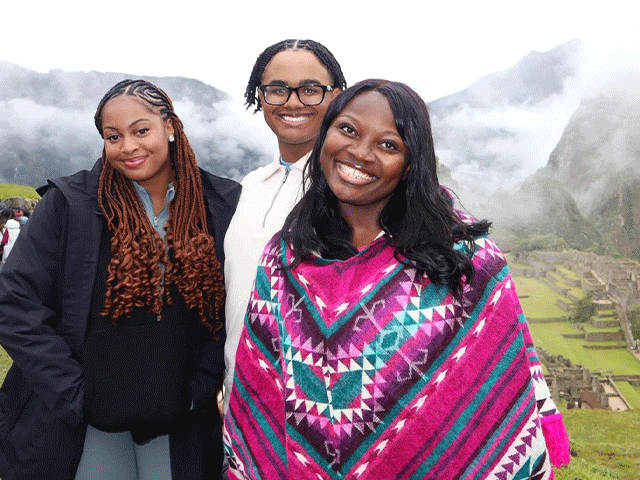
This international learning experience introduces students to agricultural production systems in the Peruvian Andes, with a focus on farming practices, environmental adaptation and sustainable agriculture in mountain regions. In the 2025-2026 academic year, three students and one faculty member took part.
How to Get Involved
Students interested in NextGen experiential learning trips can explore available destinations, eligibility requirements, application procedures and upcoming program dates. These opportunities are offered through the Office of Global Agriculture Programs in CAFS.
Student Voices
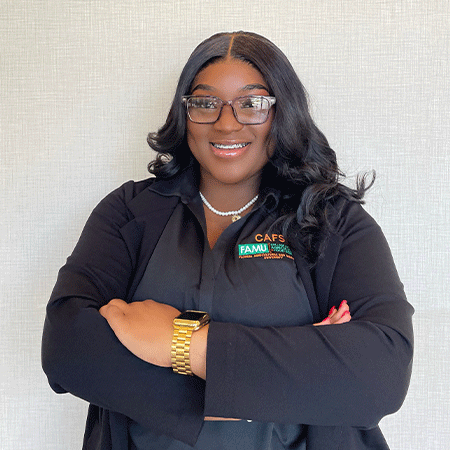 Senior, Agricultural Sciences · Global Ag Intern · AGG 4952 Service-Learning in Kenya
“These funded experiences did more than advance my training in Agricultural Sciences; they taught me to approach every community with humility, to listen beyond the limits of my own perspective, and to understand food sovereignty as both an ethical obligation and a pathway to self-determination.”
 Second-Year Master’s Student, Agricultural Sciences · FAMU–LCOOU Launch Lab
“The FAMU–LCOOU Launch Lab allowed me to connect agriculture, culture, education, and community service. Through soil testing, youth education, and community garden planning, I learned the importance of listening and working collaboratively across cultures. This experience demonstrated how agriculture can build relationships, empower communities, and create meaningful learning opportunities.”
Media
Read stories about FAMU NextGen students, trips and partnerships in CAFS Magazine and UMES Magazine.
- From Trellis to New-Gen Global Food Systems Network (CAFS Magazine, Summer 2025, pp. 32-35)
- Learning Beyond Borders: A Faculty-Led Experiential Learning Study Tour in Peru (CAFS Magazine, Summer 2026, pp. 11-14)
- Students Engage in Transformational Service Learning in Kenya, Spring 2026 (CAFS Magazine, Summer 2026, pp. 16-18)
- Shaping Food Policy Leaders: Rattlers at the 2026 Model USDA Simulation (CAFS Magazine, Summer 2026, pp. 48-49)
- From Classroom to Community: FAMU Students Take Service Learning to Kenya (UMES Magazine, Spring 2026, pp. 3-4)
Partner Logos
 |
 |
 |
 |
 |
 |